
Getting hurt on the job can turn your life upside down. Whether it’s a minor slip or a serious injury, many workers in Singapore aren’t sure what to do next. Who pays for your medical bills? Will you still get your salary? What are your rights? More importantly, how to claim work injury compensation without adding stress to your recovery?
If you’ve been asking these questions or googling how to claim compensation for injury at work, this guide is for you. We’ll walk you through the process, help you understand what to expect, and show you where to get support without all the legal jargon.
What Is Work Injury Compensation?

Work injury compensation refers to the financial and medical benefits an injured worker is entitled to receive after suffering an accident or illness that arises out of, or in the course of, their employment.
In Singapore, these claims are handled under the Work Injury Compensation Act (WICA), a legal framework that allows employees to seek compensation without having to go through a full Court process.
This scheme is designed to be more affordable and less time-consuming than suing in Court. You do not need to prove fault or negligence to be compensated under WICA, which makes it especially helpful for workers who need immediate support for medical bills, lost income, or permanent injury. The compensation typically covers:
- Medical expenses related to the injury
- Medical leave wages for the days you are certified unfit for work
- Lump sum compensation for permanent incapacity or death
The aim of the WICA system is to allow injured employees to recover both physically and financially without facing unnecessary legal hurdle.
Who Can Make A Claim?
If you are employed under a contract of service in Singapore, you are generally eligible to make a claim under WICA. This includes:
- Full-time employees
- Part-time employees
- Temporary and casual workers
- Both Singaporean and foreign workers
WICA applies to most industries, including construction, manufacturing, hospitality, logistics, healthcare, and office-based work. There is no requirement for the injury to be caused by your employer’s negligence. As long as the injury or illness happened in the course of work or was caused by your job, you have the right to seek compensation.
For example:
- A cleaner who slips on a wet floor while working
- A delivery rider injured in a traffic accident during a work trip
- A warehouse worker who develops a back injury from repeated lifting
- An office staff member who suffers a fall during a company event
Even injuries that develop over time, such as occupational diseases or repetitive stress injuries, may be covered under WICA if they are proven to be work-related.
However, if you are self-employed or a freelancer, you may not be covered under WICA unless you are in a special scheme or your work contract states otherwise. It is always advisable to check with MOM or a legal professional if you are unsure about your eligibility.
How To Claim Compensation For Injury At Work
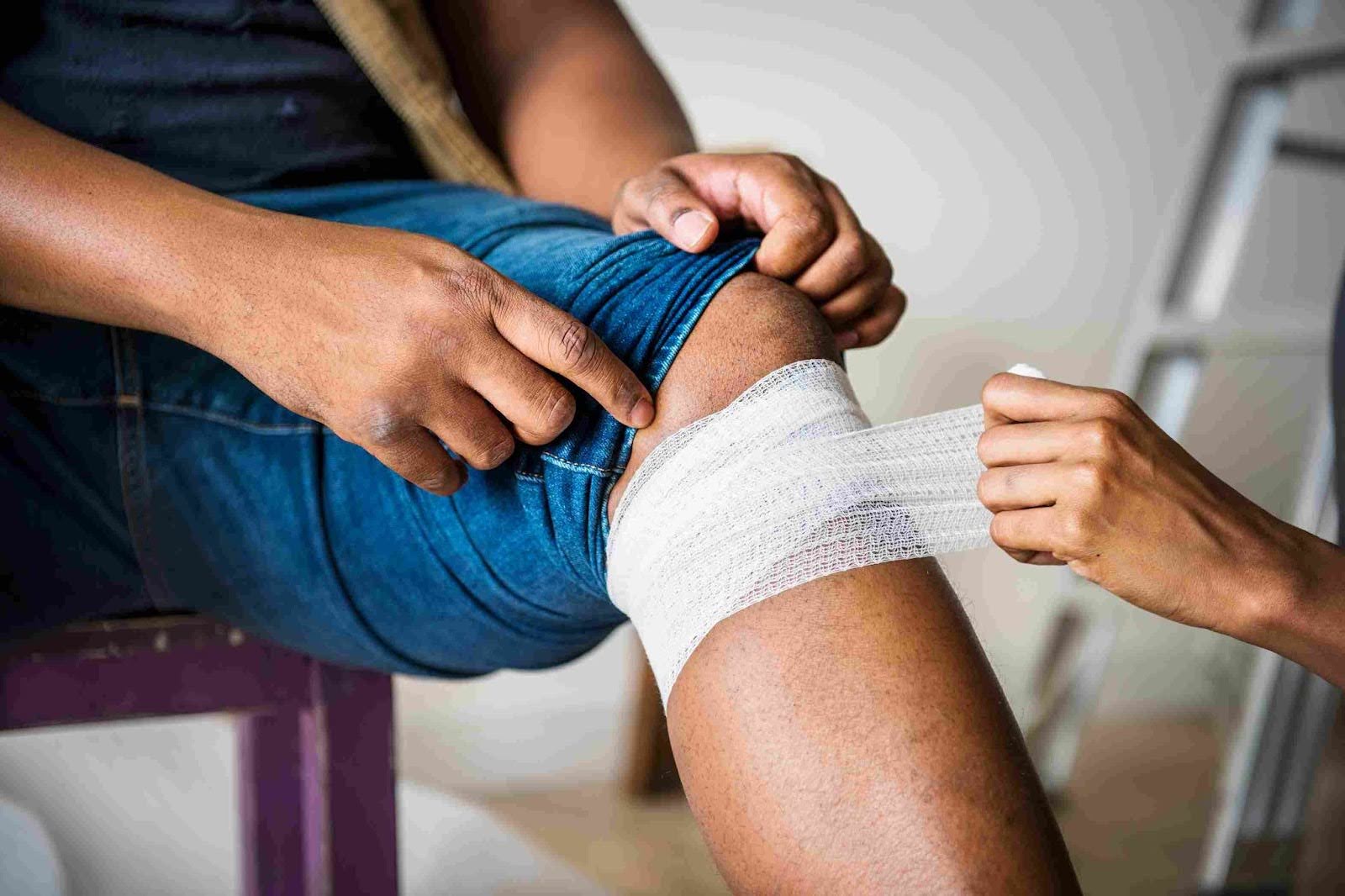
If you’ve just been injured at work, you might be unsure of what to do next. You may be in pain, worried about your income, or concerned that your employer might not support your claim. It can feel overwhelming, especially when all you want is to get better without financial stress.
So, how do you go about it?
Here’s a straightforward guide on how to claim compensation for injury at work in Singapore. The process is handled under the Work Injury Compensation Act (WICA) and is meant to be more efficient than going to Court.
Let’s break it down step-by-step:
1. Inform Your Employer Promptly
After seeking treatment, notify your employer about the injury. Do this as soon as possible, preferably in writing (a message, email or official incident form). Keep copies of your communication. Your employer needs to know because they are legally required to file a report to the Ministry of Manpower (MOM) if certain conditions are met.
Your employer must report your injury to MOM if:
- You are given more than three days of medical leave, or
- You are hospitalised for 24 hours or more
2. Get Medical Attention Immediately
Even if your injury seems minor at first, always see a doctor. Medical documentation is key. The doctor will issue a Medical Certificate (MC) and may also prepare a report detailing the nature of your injury. This paperwork proves that your injury is work-related and sets the foundation for your claim.
Do not ignore or delay treatment. This can weaken your case later on if there’s no medical evidence linking your condition to work.
3. Let Your Employer Handle The Reporting To MOM
In most cases, your employer will submit the report to MOM through the WICA system. Once it’s submitted, MOM will start tracking your claim. You can also check the status of your claim online at MOM’s Work Injury Compensation Portal.
If your employer fails or refuses to report the injury, you can make the report yourself. This is your right under the law, and you do not need their approval to proceed.
4. Attend Your Medical Assessment
Once your condition has stabilised, you will be scheduled for a medical assessment. This is a crucial step in the process. The doctor will examine your condition and determine whether you’ve suffered Permanent Incapacity (PI). This refers to any lasting physical or functional limitation caused by the injury.
Your compensation amount will depend heavily on this report, so please ensure you attend the assessment and bring any relevant documents.
5. Receive The Notice Of Assessment (NOA)
Based on your medical report, MOM will calculate the amount of compensation you are entitled to. You will then receive a Notice of Assessment (NOA), which shows:
- Your medical leave wages
- Medical expenses
- Any lump sum amount for permanent incapacity or death (if applicable)
The amount is calculated using a fixed formula that considers your average monthly earnings and the severity of your injury.
If you accept the assessment, the insurer or employer will pay you directly. If you disagree with the NOA, you can file an objection within 14 days from the date of the notice.
6. Accept Or Object To The Compensation Offer
You have two choices once you receive your NOA:
- Accept the amount and receive your compensation, usually via cheque or bank transfer.
- Object to the assessment if you feel it is too low or inaccurate. You’ll need to submit supporting reasons and possibly undergo a second medical review.
If you’re unsure about your options or how to appeal, speaking to a lawyer might be helpful.
7. Consider Whether To Claim Under WICA Or Sue In Court
Remember, you must choose either the WICA process or a Court claim, not both. If your injury is severe and you believe negligence was involved, a Court claim may result in higher compensation. However, Court cases often take longer and are more expensive.
Most employees choose WICA for its speed and simplicity. It’s often the more practical route, especially if you just want to focus on getting better and getting on with your life.
Conclusion About Claiming Work Injury Compensation In Singapore
Understanding how to claim work injury compensation doesn’t have to be overwhelming. With the right support and information, you can focus on recovery without worrying about being short-changed. If your employer is not cooperative or you’re unsure of your rights, don’t suffer in silence.
At Tembusu Law, we’re here to support you. Our team includes some of the best corporate lawyers and criminal lawyers in Singapore, and we’re committed to standing by workers who need help navigating legal matters.
If you’ve been injured at work and need advice, reach out today for a free discovery call.
Frequently Asked Questions About Claiming Work Injury Compensation In Singapore
How Long Do I Have To File A Work Injury Compensation Claim?
You must report your injury to your employer promptly, and the claim should ideally be filed within 1 year from the date of the accident. Don’t wait too long.
What Happens If My Employer Refuses To Report My Injury?
You can report the incident directly to the Ministry of Manpower. You’re not required to go through your employer if they are uncooperative.
Can I Claim Compensation For A Work-Related Illness, Not Just Injuries?
Yes. Conditions like occupational asthma, hearing loss, or repetitive strain injuries are also covered under the Work Injury Compensation Act if caused by your job.
Will I Still Be Paid While I’m On Medical Leave?
If you’re on medical leave due to a work injury, your employer is required to pay your MC wages for the certified period. This is part of the compensation process.
Can Foreign Workers In Singapore Make A Work Injury Claim?
Absolutely. Foreign workers are fully covered under WICA and have the right to claim compensation for injuries or illnesses caused by work.