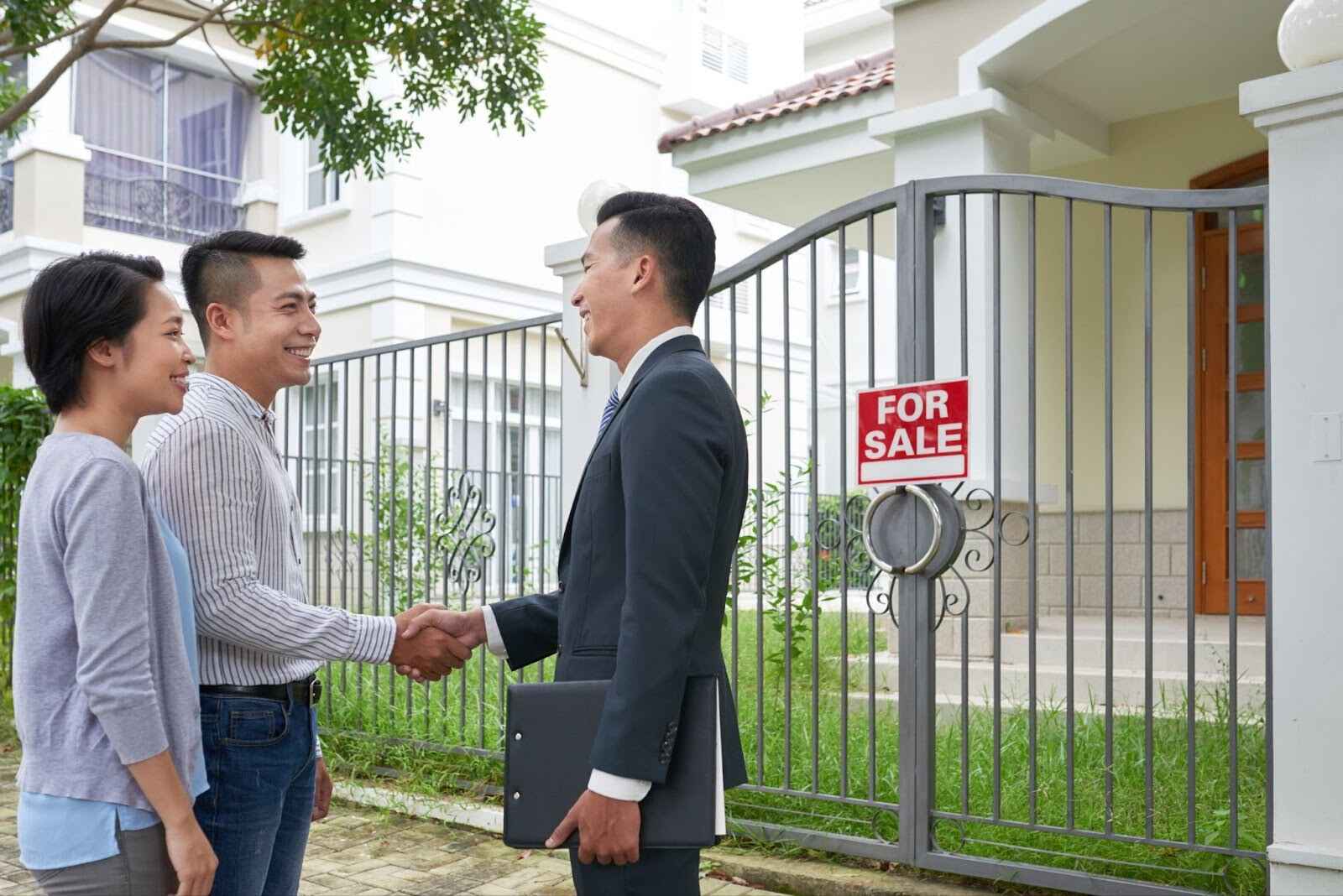
Living in harmony with your landlord or tenant is the ideal situation. However, sometimes disagreements can arise, leading to stressful landlord-tenant disputes. These situations can be tricky to navigate, especially when you are unsure of your rights and the proper steps to take.
This article will guide you on how to deal with these disputes and find a resolution.
What’s Considered a Landlord-Tenant Dispute in Singapore?
Understanding what these common disagreements are is the first step in learning how to resolve landlord-tenant disputes effectively.
While the specifics can vary, most disputes in Singapore fall into a few common categories:
- The Security Deposit: This is perhaps the most frequent source of friction. A dispute occurs when the tenant moves out and the landlord withholds all or part of the security deposit. The landlord might claim it is for damages, but the tenant may feel the deductions are unfair or for issues that amount to normal “fair wear and tear.”
- Fair Wear and Tear vs. Actual Damage: This is closely linked to deposit disputes. A disagreement often arises over what constitutes reasonable deterioration from daily use (like minor scuff marks on a wall) versus actual negligence or damage caused by the tenant (like a large stain on the carpet or a broken window).
- Unpaid Rent and Arrears: From a landlord’s perspective, a clear dispute arises when a tenant fails to pay rent on time or accumulates several months of rental arrears. This is a direct breach of the tenancy agreement and a common reason for landlords to seek formal action.
- Repairs and Maintenance: Disputes over who is responsible for repairs are very common. Is the landlord responsible for repairing a faulty air conditioner? Is the tenant liable for a plumbing issue they caused? The tenancy agreement should specify these duties, but disagreements still happen.
- Early Termination of the Lease: A tenant may need to end their lease prematurely, sometimes relying on a diplomatic clause. Disputes can arise when the landlord disagrees with the reason for termination or when there are disagreements over the penalties and conditions for early lease termination. Knowing the correct procedure is essential if you want to know how to settle landlord-tenant disputes of this nature without incurring heavy financial penalties.
- Unauthorised Occupants or Subletting: If a tenant allows other people to live in the property without the landlord’s permission, or sublets a room against the terms of the agreement, it creates a serious dispute that can lead to eviction proceedings in Court.
Review the Tenancy Agreement

Before any action is taken, your first reference point should always be the Tenancy Agreement (TA). This document is the cornerstone of your rental arrangement. It outlines the specific obligations for both you and your landlord, covering everything from rent payment schedules to who is responsible for repairs.
Understanding the clauses in your TA is fundamental to figuring out how to deal with landlord disputes, as it often contains the answer to your disagreement. Check the terms carefully to see if a breach has occurred and what the agreed-upon steps are for resolution.
How to Handle Landlord-Tenant Disputes in Singapore
When peaceful negotiation isn’t enough, you need to know how to handle landlord-tenant disputes through official channels.
For most tenancy-related disagreements in Singapore, the primary venue is the Small Claims Tribunals (SCT). Think of the SCT as a user-friendly part of the State Courts, specifically designed to handle everyday claims quickly and without the need for expensive lawyers.
The SCT can hear cases related to residential leases that are two years or less. This covers the most common disputes, including:
- Claims for the return of the security deposit.
- Claims for unpaid rent.
- Claims for damages to the property that go beyond “fair wear and tear.”
The process is intentionally straightforward and can be broken down into these key stages:
- Filing Your Claim: The first step is to file your claim online through the Community Justice and Tribunals System (CJTS). The filing fees are kept low to ensure the process is accessible to everyone.
- The Consultation: After filing, a consultation date is set. During this session, a court officer known as a Registrar will speak to both you and the other party. The main goal here is mediation, where the Registrar helps you explore options to reach a mutually agreeable settlement.
- The Hearing: If you and the other party cannot reach a settlement during the consultation, the case will be scheduled for a hearing. This takes place before a Tribunal Magistrate.
- The Final Order: At the hearing, the Magistrate will listen to the arguments and review the evidence from both sides before making a final, legally binding decision. This is called an “Order of Tribunal,” which both parties must follow.
When to Take the Matter to Court

Taking a dispute to Court is a serious step and is generally considered a last resort. This path is necessary under specific circumstances where the SCT does not have the authority to hear the case.
You would need to go to Court if:
- Your claim exceeds S$20,000. The SCT has a strict monetary limit. If you want to claim a higher amount (up to S$30,000), you can only do so if both you and the other party agree in writing to have the case heard at the SCT. Otherwise, the Magistrate’s Court or the District Court is the proper venue.
- The dispute is not about money. The SCT can only order a person to pay money. It cannot, for example, issue an order to force your landlord to make repairs or to stop them from doing something. For these kinds of orders, known as injunctions, you must apply to the Court.
- You need to enforce an eviction. A landlord cannot use the SCT to evict a tenant. The legal process for taking back possession of a property must be handled through a formal Court application.
Proceeding to Court involves a much more formal, costly, and lengthy process than the SCT. It requires strict adherence to procedures, and you will almost certainly need to hire a lawyer. The costs can quickly add up, and if you lose, you may be ordered to pay the other party’s legal fees.
Because of this, it is a significant undertaking that should only be considered after all other avenues for settling landlord-tenant disputes have been exhausted.
Conclusion About Landlord-Tenant Disputes in Singapore
In conclusion, while landlord-tenant disputes can be challenging, there are several ways to resolve them in Singapore. By communicating effectively, understanding your rights, and using resources like the SCT or CMC, you can find a solution that works for everyone.
If you find yourself in a complex situation and need legal advice, do not hesitate to seek professional help. For the best legal guidance, contact our team at Tembusu Law. We have the best litigation lawyers and criminal lawyers in Singapore and can assist with your legal needs.
Contact us today and get a free discovery call!
Frequently Asked Questions About Landlord-Tenant Disputes in Singapore
What Are The Most Common Landlord-Tenant Disputes In Singapore?
The most common disputes often revolve around issues such as the return of the security deposit, disagreements over what constitutes “fair wear and tear,” breaches of the tenancy agreement like unpaid rent or unauthorised subletting, and issues with the maintenance and repair of the property.
How Can I Avoid A Dispute With My Landlord Or Tenant?
Clear communication and a comprehensive tenancy agreement are your best defences. Ensure that all terms and conditions are clearly stated in the agreement, including the amount of the security deposit, the process for its return, and the responsibilities for repairs and maintenance. Taking detailed photos of the property before moving in and upon moving out can also prevent disagreements over damages.
What Should I Do If My Landlord Refuses To Return My Security Deposit?
If your landlord is withholding your security deposit without a valid reason, you should first try to negotiate with them. If that fails, you can file a claim with the Small Claims Tribunals (SCT). The SCT can hear cases involving security deposits for leases of residential properties for two years or less.
Can A Landlord Evict A Tenant Without A Court Order In Singapore?
No, a landlord cannot legally evict a tenant without a Court order. If a tenant breaches the tenancy agreement, for example by not paying rent, the landlord must follow the proper legal procedures to regain possession of the property. This may involve sending a formal notice to the tenant and, if necessary, obtaining a Court order.
Do I Need A Lawyer To Settle A Landlord-Tenant Dispute?
You do not need a lawyer to file a claim with the Small Claims Tribunals or to attend mediation at the Community Mediation Centre. However, for more complex disputes or if you are unsure of your legal rights and options, it is always advisable to seek legal advice from a qualified lawyer.