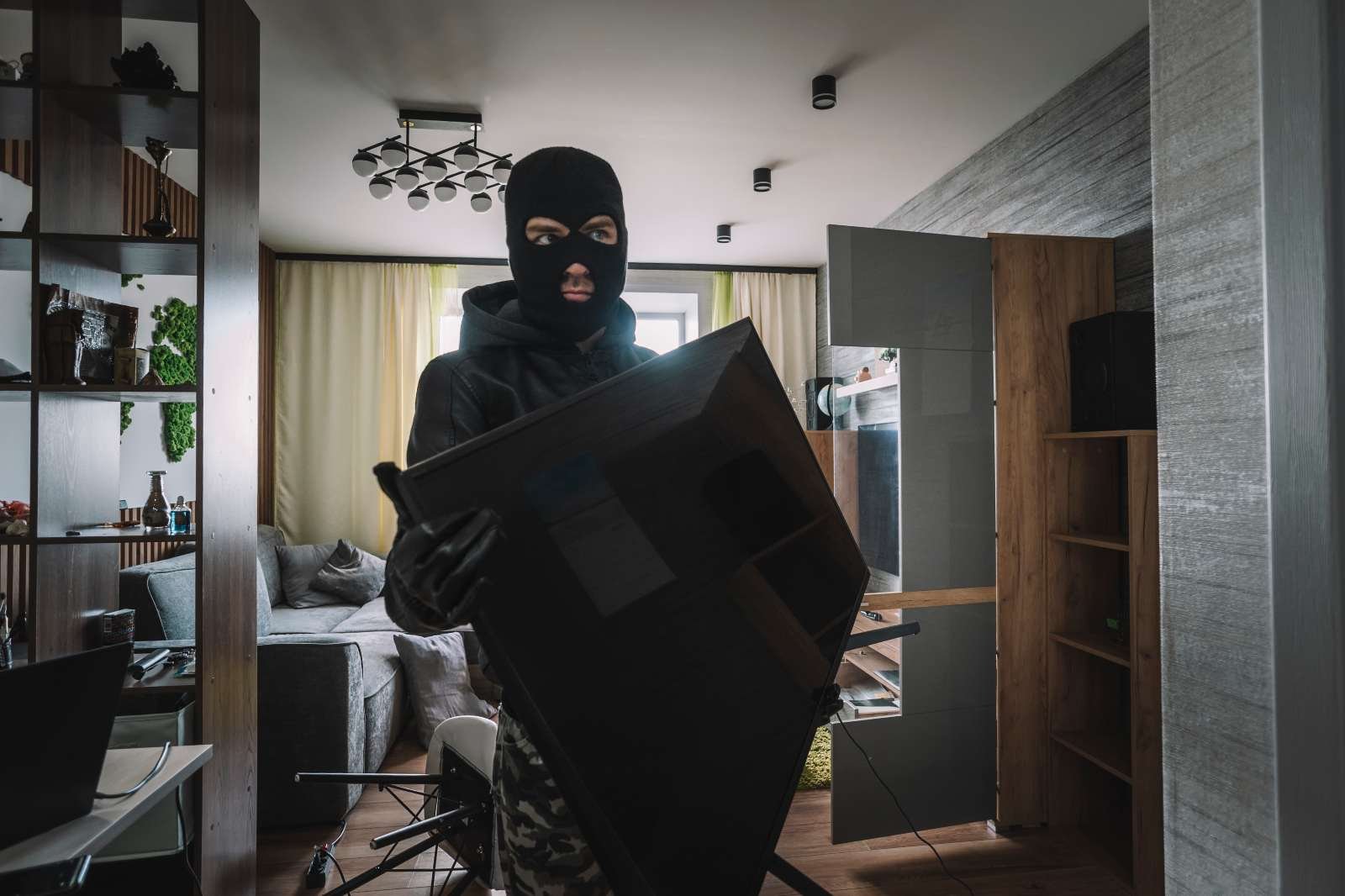
Imagine buying a second-hand watch at a bargain, only to find out later that it was stolen. What happens next? Could you be held legally responsible? Many people assume only the thief is at fault, but purchasing stolen goods, whether knowingly or unknowingly, can have severe consequences.
Understanding what the penalty for buying stolen goods is is important to avoid legal trouble. In Singapore, the law takes a strict stance against handling stolen property. Buyers who fail to verify the legitimacy of their purchases could face hefty fines or even a prison sentence.
Here’s what you need to know about the legal implications and how to avoid getting caught up in a case involving stolen goods.
What Is The Penalty For Buying Stolen Goods?
The penalty for purchasing stolen goods depends on whether the buyer was aware of their illegal origin.
- If a person knowingly buys stolen goods – They can be charged under Section 411 of the Penal Code and may face up to 5 years’ imprisonment, a fine, or both.
- If a person unknowingly buys stolen goods – While they may not face criminal charges, they will likely have to surrender the goods and could be required to assist in investigations.
In cases where stolen property is purchased through online platforms or resale markets, authorities may scrutinise whether the buyer made reasonable efforts to verify the legitimacy of the goods.
Under Section 410 of the Penal Code, stolen property refers to any item obtained through unlawful means, including theft, robbery, criminal misappropriation, or dishonest receipt. Simply put, if an item was taken without the owner’s consent and later sold or transferred, it is considered stolen property.
It’s important to note that even if the buyer was unaware that the goods were stolen at the time of purchase, they may still be required to return the item and cooperate with police investigations. While unintentional buyers may not face criminal charges, failing to verify the legitimacy of purchases can still lead to legal trouble.
What Are The Penalties For Sellers Who Sell Stolen Goods?
Individuals who sell stolen property face significantly more severe legal consequences than those who simply purchase it. Under Singapore law, the Court distinguishes between casual involvement and professional criminal activity, with penalties scaling based on the frequency and nature of the offences.
Harsher Penalties For Habitual Dealing
Under Section 413 of the Penal Code, individuals who “habitually” receive or deal in property they know or have reason to believe is stolen face extreme deterrents.
- Professional “Fencing”: Those found to be persistent dealers in illicit goods may be sentenced to up to 20 years’ imprisonment and liable to a fine.
- Baseline Theft Charges: It is also critical to understand that theft itself is a distinct criminal offence under Section 378. Standard theft (theft simpliciter) carries a punishment of up to 3 years in jail, a fine, or both.
Marketplace Regulation And Platform Sanctions
In 2025, major e-commerce platforms have integrated advanced anti-fraud measures and internal policies to remove illicit listings and penalise errant sellers.
- Carousell: The platform strictly prohibits the listing of stolen or illegal goods. Upon detection or report, Carousell may immediately suspend accounts and permanently restrict “Buy” button privileges for sellers with high cancellation rates or suspicious activity.
- Lazada: Under its comprehensive Protection Policy, Lazada reserves the right to withhold payments to any seller under investigation for illegal activity or suspected fraud.
- Shopee: This platform employs a range of sanctions for sellers offering prohibited items, including immediate listing deletion, freezing of account funds, and full account termination.
The Singapore government also publishes annual E-commerce Marketplace Transaction Safety Ratings (TSR) to help consumers identify platforms with the most robust seller verification and secure payment features.
How To Spot A Fake Seller On Online Shops
A fake seller is a fraudster who uses a deceptive profile to sell non-existent items or stolen property. They often use “Social Engineering” to pressure you into quick payments, bypassing the platform’s security features to ensure you have no recourse once the money is sent.
How To Spot A Fake Seller On Apps
In the “Wild West” of online marketplaces like Carousell, Facebook Marketplace, and Telegram, spotting a fake seller is your first line of legal defence. Under Section 411 of the Penal Code, if you ignore obvious signs of a scam and end up with stolen property, the Court may determine you had “reason to believe” the goods were illicit, leading to a criminal conviction.
What Is A Fake Seller?
A fake seller is a fraudster who uses a deceptive profile to sell non-existent items or stolen property. They often use “Social Engineering” to pressure you into quick payments, bypassing the platform’s security features to ensure you have no recourse once the money is sent.
5 Red Flags Of A Deceptive Seller
- The “Newbie” Profile With No History
Always check the seller’s join date. Scammers frequently create “burner” accounts that are only a few days or weeks old.
- The Diagnostic: Look for a lack of reviews or a sudden burst of five-star ratings from accounts that also look new. Genuine sellers in Singapore usually have a traceable history of diverse transactions.
- Refusal To Use Singpass
Verification On platforms like Carousell, look for the “Blue Tick” verified badge.
- Whistleblower Insight: Since June 2024, Singapore has pushed for mandatory Singpass verification for high-risk categories like tickets and property. If a seller refuses to verify their identity via Singpass or provide a local mobile number, they are likely hiding behind a fake persona.
- Shifting Chat Off-Platform
A classic scammer tactic is moving the conversation from the app’s secure chat to WhatsApp or Telegram.
- The Trap: They do this to avoid the platform’s automated scam-detection bots and to ensure there is no official record of the transaction if you later take them to Court. Never scan a QR code or click a link sent via private message that asks for your banking login.
- “Too Good To Be True”
Pricing The Court often uses the price of an item as a primary indicator of “dishonest intent”.
- The Red Flag: If an iPhone 15 or a Rolex is priced 50% below the market average, it is a high-risk indicator that the item is either a counterfeit or stolen. In Singapore, “being kiasu” can be legally weaponised against you if it leads you to ignore common sense.
- High Pressure And Vague Details
Scammers use “Loss Aversion Bias” to make you act quickly. They may claim “many others are waiting” or that the price is for “today only”.
- The Diagnostic: Ask for specific, high-resolution photos of the serial number or the original receipt. A fake seller will often provide blurry, stock images or become aggressive when asked for proof of ownership.
How To Avoid Buying Stolen Goods
Preventing the purchase of stolen goods is crucial, as ignorance is not always a valid defence. Here are key steps to protect yourself:
- Be Cautious With Unrealistically Low Prices
If a deal seems too good to be true, it probably is. Items sold far below market value should raise suspicion, especially for high-value goods like electronics, luxury watches, and branded bags. - Buy From Reputable Sellers
Purchasing from authorised retailers, established online platforms, or well-reviewed individuals reduces the risk of handling stolen goods. Avoid street vendors or sellers who refuse to share personal information. - Ask For Proof Of Ownership
Request original receipts, warranties, or proof of purchase. A genuine seller should have no issue providing these documents. If they hesitate or make excuses, consider it a red flag. - Use Secure Payment Methods
Opt for payment methods that provide transaction records, such as credit cards or e-wallets. Cash transactions leave no trail and make it harder to dispute fraudulent sales. - Check Serial Numbers
Verify serial numbers with the manufacturer for expensive items like smartphones, laptops, or watches. Some brands allow buyers to check product authenticity through official databases. - Avoid Dealing With Sellers Who Rush The Transaction
Scammers and those selling stolen goods often pressure buyers to complete a deal quickly. If a seller refuses to answer questions or discourages you from inspecting the item properly, walk away. - Report Suspicious Sellers
If you suspect someone is selling stolen goods, report them to the authorities. This helps prevent further criminal activity and protects others from falling victim.
What To Do If You’ve Already Bought Stolen Goods
Realising that you have unknowingly purchased stolen goods can be stressful, but handling it correctly can help you avoid further complications. Here’s what you should do:
- Do Not Try To Sell Or Hide The Item
The worst thing you can do is attempt to resell or conceal the stolen goods. If you knowingly distribute stolen property, you could be held criminally liable. - Report The Issue To The Police
If you suspect that the item you purchased was stolen, the best course of action is to inform the authorities. You may need to return the item to its rightful owner or provide details about the seller. - Cooperate With Investigations
The police may request details about how you acquired the item, including transaction records, seller information, or any messages exchanged during the sale. Providing full cooperation can help prove your innocence. - Do Not Attempt To Confront The Seller Yourself
While it may be tempting to demand a refund or confront the seller, avoid doing so directly, as it could escalate the situation. Instead, report the case to the authorities and let them handle it. - Check If You Can Recover Your Money
If you purchased a legitimate platform, check its buyer protection policies. Some online marketplaces offer refunds if an item is found to be stolen. If you paid using a credit card, you can dispute the charge with your bank. - Seek Legal Advice If Necessary
If you are facing potential legal consequences, consulting a lawyer can help you understand your rights and the best course of action. A legal expert can guide you on how to navigate the situation properly.
Conclusion About Penalties For Buying Stolen Goods
Understanding what the penalty for buying stolen goods is is essential to staying on the right side of the law. Even if you unknowingly purchase stolen goods, you could face legal scrutiny. The best way to protect yourself is to be vigilant when making purchases, verify sources, and report anything suspicious.
If you need legal guidance, Tembusu Law has the best criminal lawyers in Singapore who can provide expert advice and representation.
Get in touch today to book a free consultation with us.
Frequently Asked Questions About Penalties For Buying Stolen Goods
What Should I Do If I Realise I Bought A Stolen Item?
If you suspect you’ve bought a stolen item, report it to the police immediately. Avoid reselling or disposing of it, as this could lead to further legal complications.
Can I Be Arrested For Unknowingly Buying Stolen Goods?
If you genuinely had no knowledge that an item was stolen, you are unlikely to face criminal charges. However, you may still be required to return the item and assist with investigations.
How Can I Tell If Something Is Stolen Before Buying It?
Check the seller’s reputation, ask for proof of purchase, and be cautious of deals that seem too good to be true. If the seller cannot provide a legitimate reason for selling the item at a low price, avoid the purchase.
What Happens If I Bought A Stolen Item From An Online Marketplace?
Online purchases are treated the same as in-person transactions. If the item turns out to be stolen, you may have to return it, and your involvement could be investigated. Always verify sellers before making purchases.
Can I Get A Refund If I Bought A Stolen Item?
That depends on the seller. If they are identified and charged, you may have a claim against them, but there is no guarantee of a refund. Buying from reputable sources can help prevent such issues.
What Are The Legal Consequences For Sellers Of Stolen Goods?
Selling stolen property is a criminal offence. Those found guilty can face imprisonment, fines, or both. If they knowingly sold stolen goods, they could be charged under Section 410 of the Penal Code.